
Products
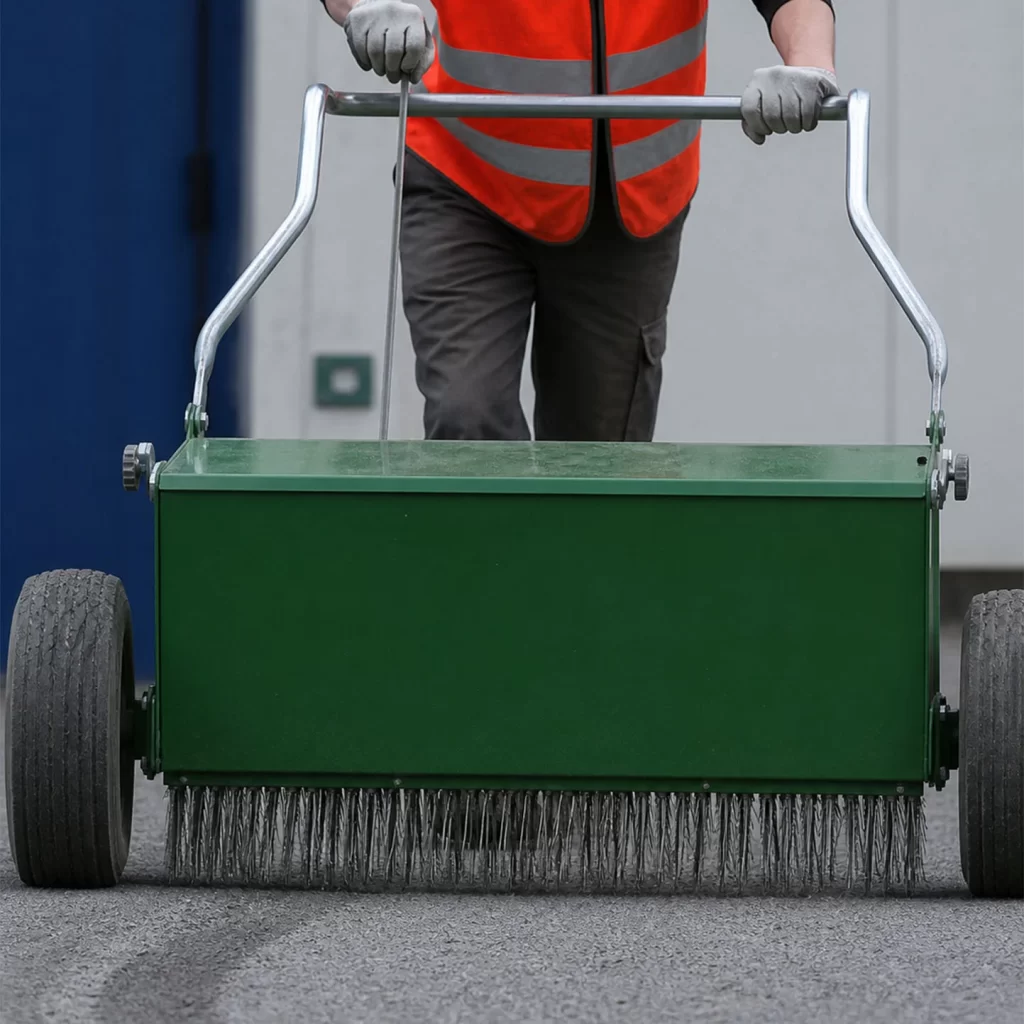
Concrete Floor Hardener
Concrete floor hardener is a specialized material typically a dry powder or liquid applied to fresh or hardened concrete surfaces to significantly enhance durability, abrasion resistance and dust proofing. It creates a monolithic bond with the concrete, making floors ideal for high traffic areas like warehouses, factories, car parks, loading docks and industrial workshops.
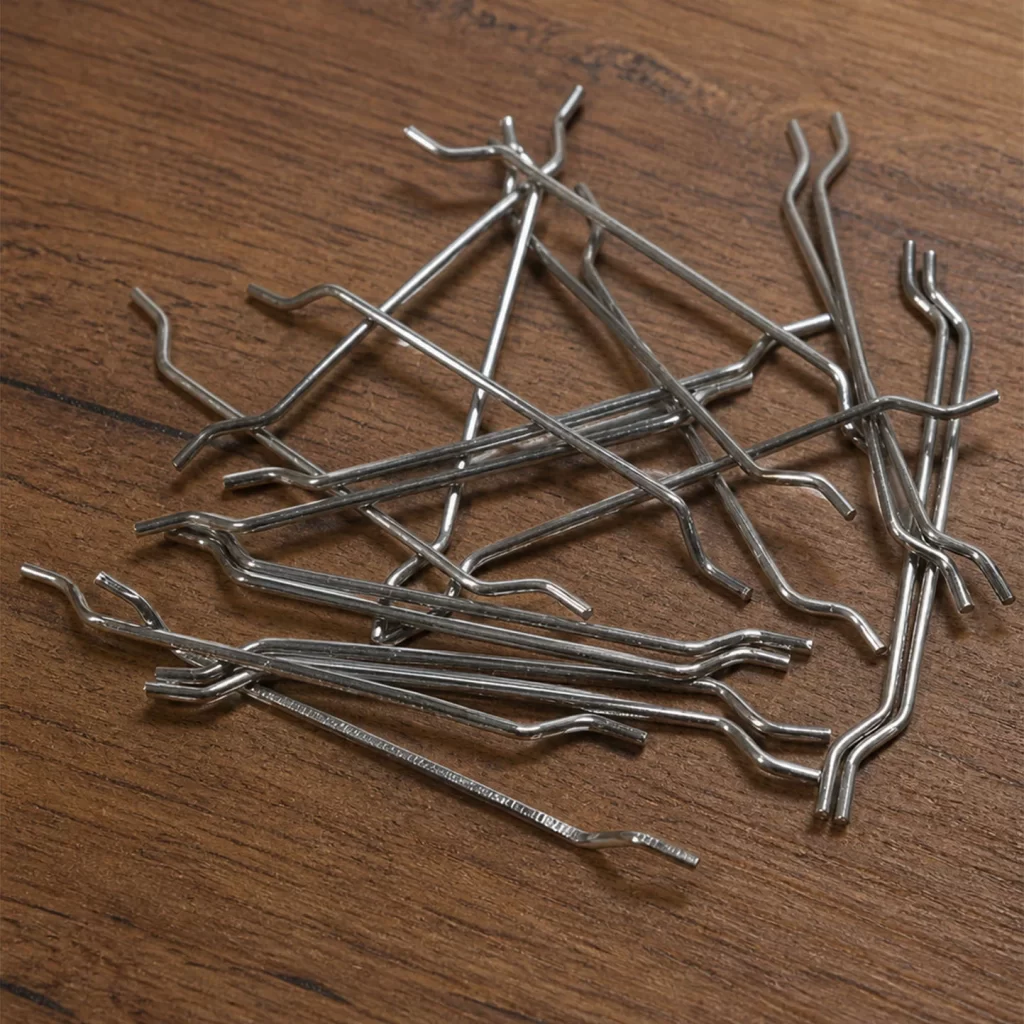
Steel Fibers
Steel fibers are widely used in industrial flooring to reinforce concrete, creating steel fiber reinforced concrete (SFRC) that enhances durability, crack resistance and load bearing capacity in demanding environments like warehouses, production halls and logistics centers.
Key Benefits
- Crack Control : Fibers bridge micro cracks during curing and under load, preventing propagation and enabling jointless slabs up to 2,500 m².
- Improved Strength : Boosts post crack flexural strength, impact resistance and fatigue endurance, ideal for high rack warehouses or runways.
- Cost and Construction Efficiency : Allows thinner slabs, eliminates mesh placement, reduces joints/maintenance and speeds pouring with laser screed.
- Durability : Higher abrasion/wear resistance and ductility, with tensile strengths up to 1,200 MPa
Polyester Fibres
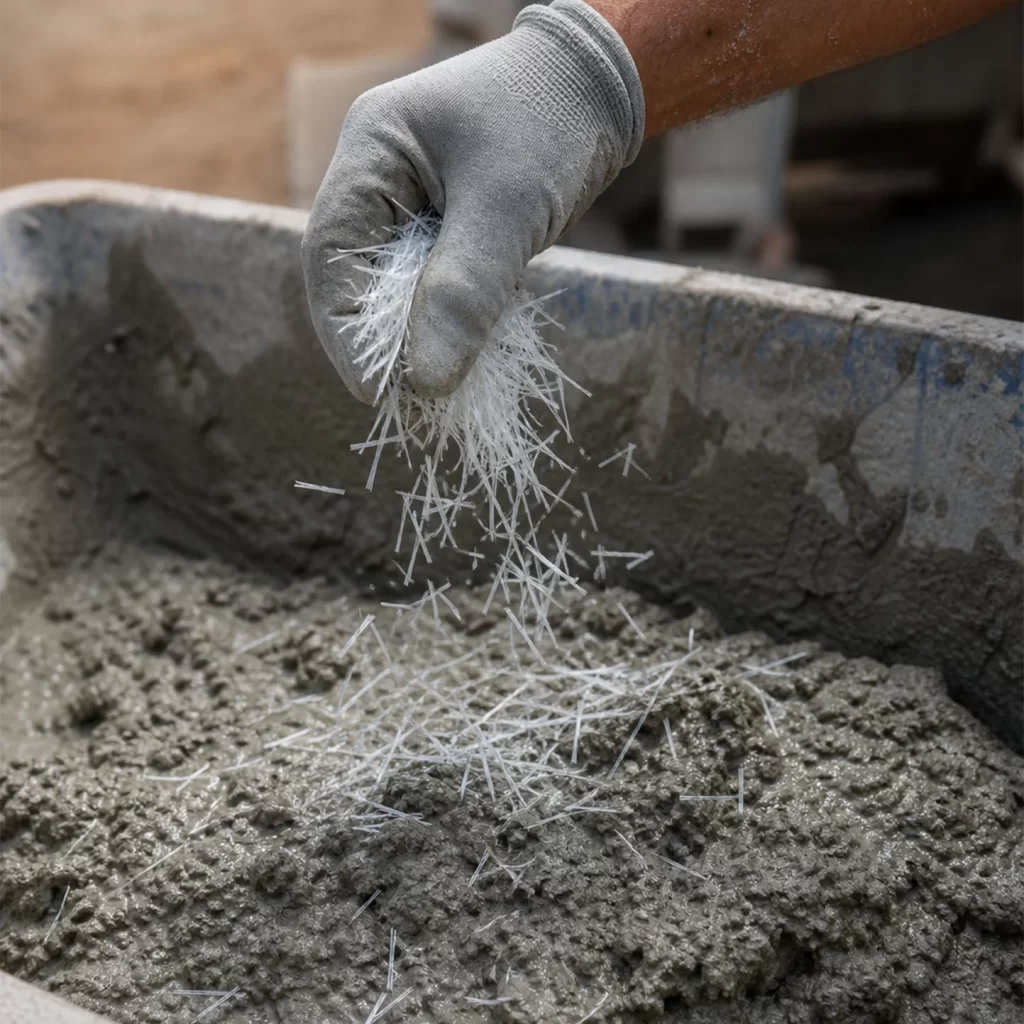
Polyester fiber in construction is mainly used as a synthetic reinforcement in concrete, asphalt and geotechnical applications to improve strength, durability and crack resistance. It is typically made from polyethylene terephthalate (PET) and comes in short “staple” lengths mixed into mortar, concrete.
Key Benefits
- High tensile strength and elongation, giving better crack‑control than plain concrete.
- Chemical, moisture and UV resistance, so it remains stable in harsh environments and reduces permeability.
- Lightweight and non‑corrosive, which lowers steel‑rebar demand and can reduce long term maintenance costs
Concrete Polishing Pads
Concrete polishing pads are specialized resin bonded diamond abrasives designed for grinding and polishing concrete floors, countertops and surfaces like marble or granite.
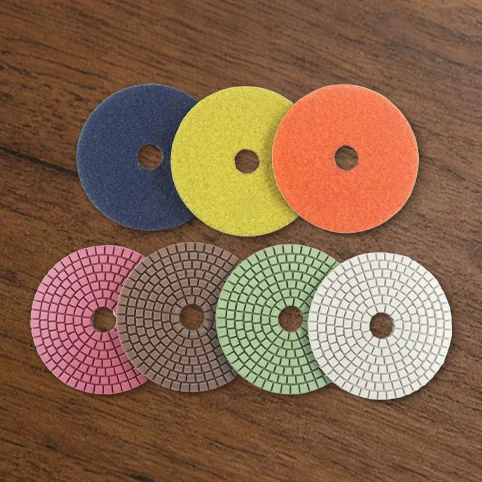
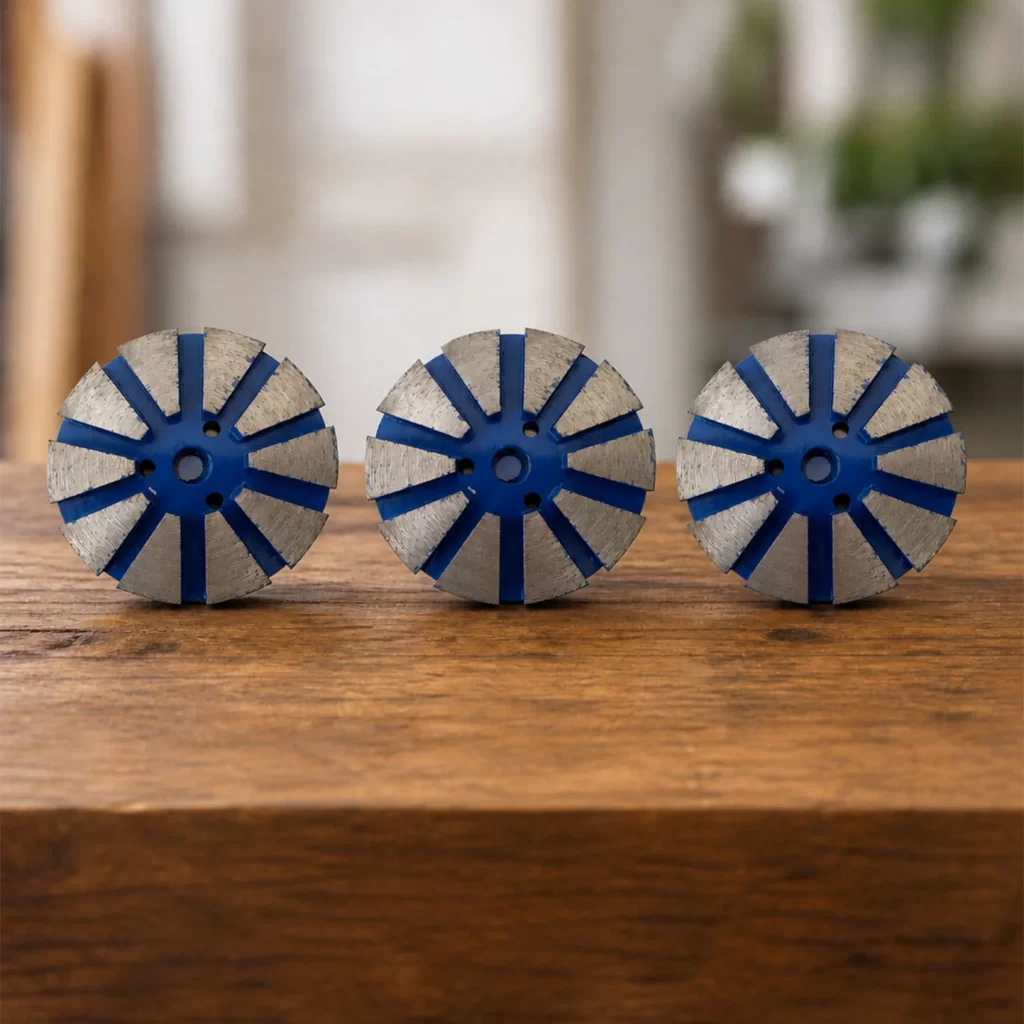
Concrete polishing Diamond Wheel
Concrete polishing with diamond wheels (or diamond pads) is a multi‑step process that uses progressively finer grits to grind, hone and finally polish the surface of a concrete floor
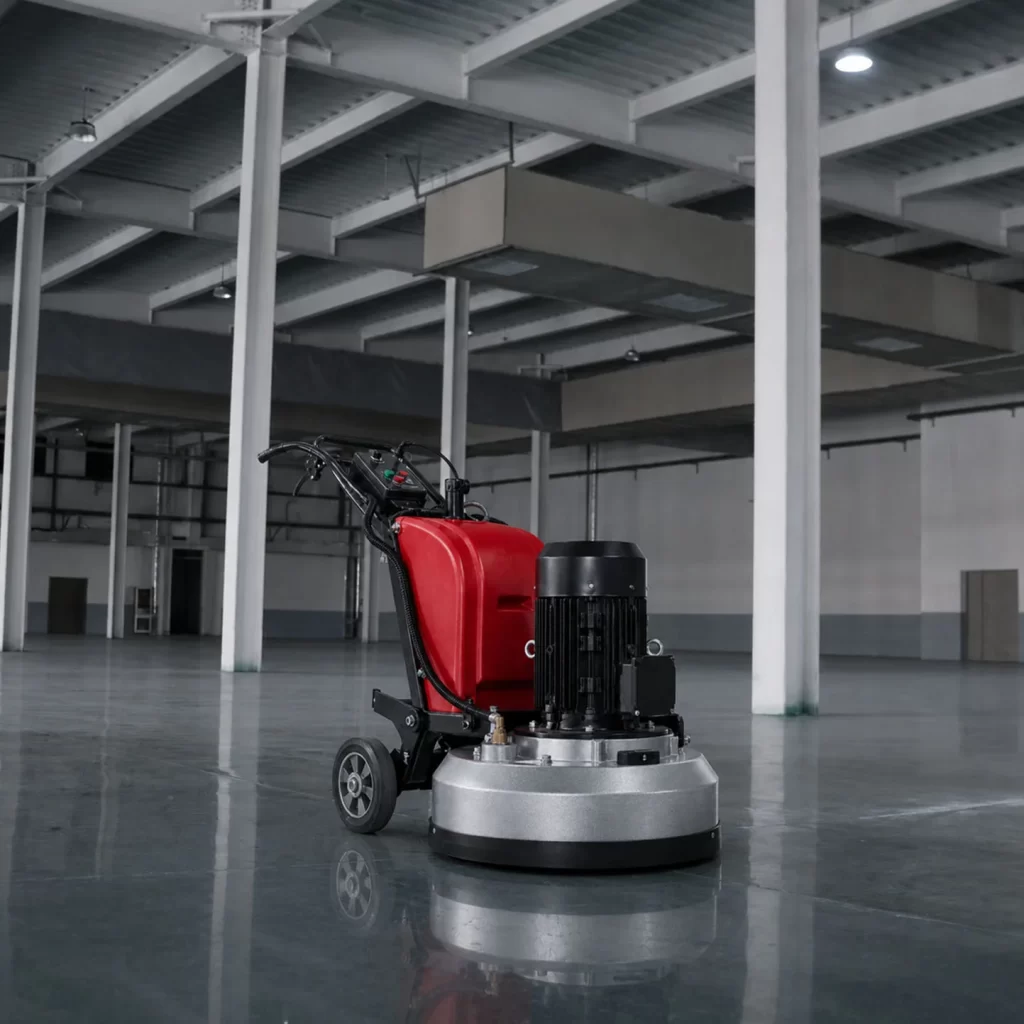
Concrete Polishing Machine
Concrete polishing machine is a powered grinder/polisher used to smooth and shine concrete floors by removing surface imperfections and gradually refining the surface with diamond‑tool segments.
Lithium Silicate Densifier
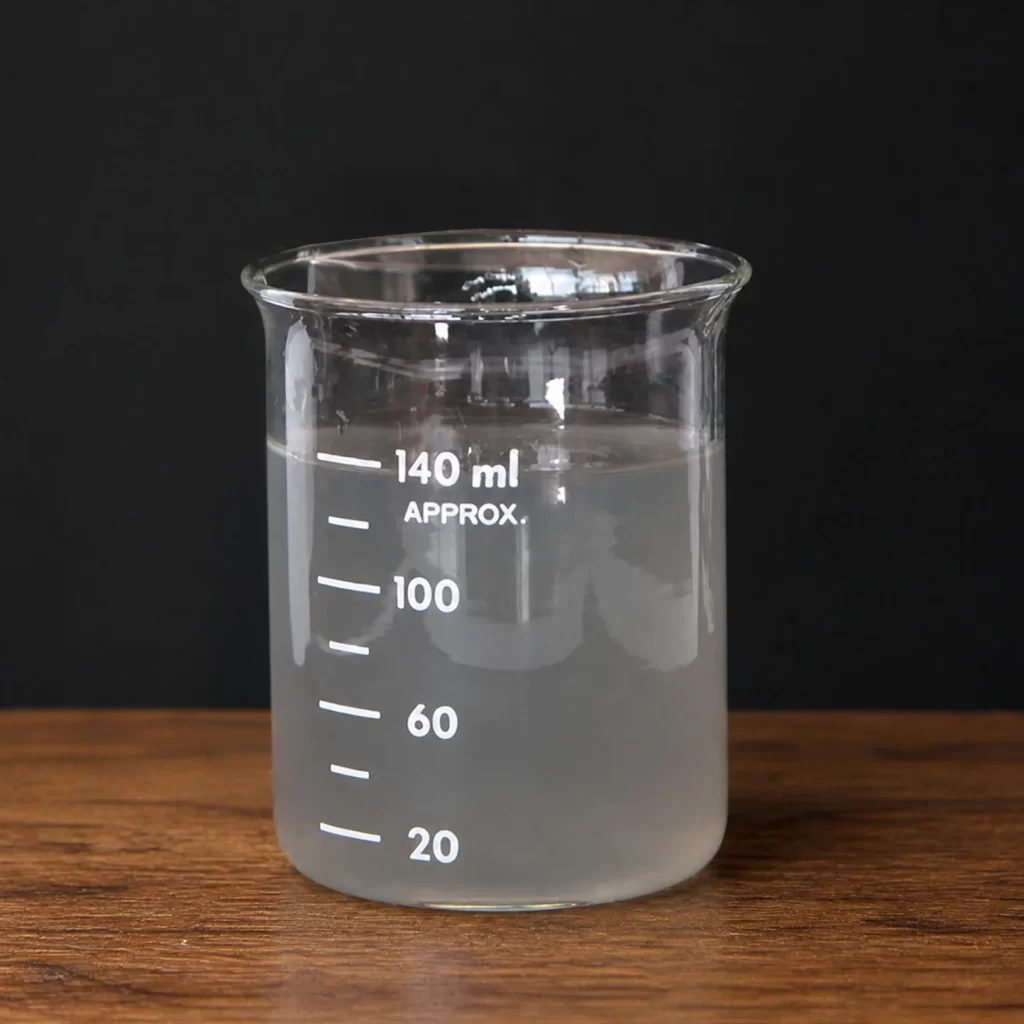
Lithium silicate densifier is a chemical hardener used to strengthen and seal concrete surfaces by reacting with free lime in the concrete to form an extra‑dense matrix just below the surface.
Key Benefits
- Increases surface hardness and abrasion resistance, reducing dusting and wear from traffic.
- Reduces liquid penetration and helps resist staining, while improving resistance to weathering and mild chemicals.
- Lithium formulas are less prone to visible efflorescence and often give a higher, more durable gloss when used on polished or terrazzo floors.
Expansion Joint Profiles
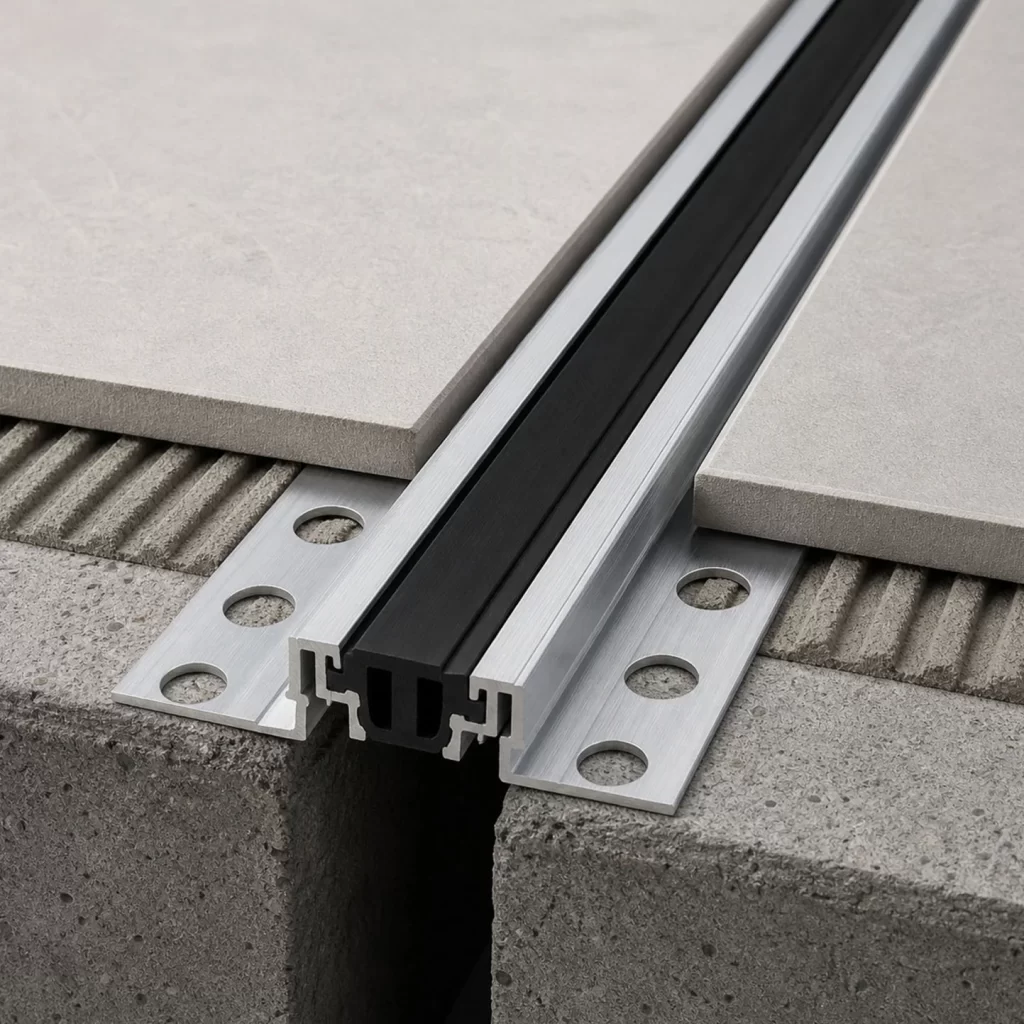
Expansion joint profile is a prefabricated metal, rubber, or composite component used to fill and protect the gap between two parts of a structure (floors, walls, facades, ceilings, etc.) so that thermal expansion, shrinkage and movement do not cause cracking or damage. In construction, these profiles are installed across expansion‑joint gaps and often combine a rigid metal section with a soft filler (like rubber or foam) to let the structure move while keeping the joint neat and durable.
Types of Profiles
- Floor profiles : Metal‑edge profiles with rubber or foam inserts for tiled, concrete, or screed floors; often set flush with the surface.
- Wall / facade profiles : U‑shaped or surface mounted profiles with gaskets, used where different facade panels or wall sections meet.
- Ceiling profiles : Light‑duty profiles for suspended ceilings, with soft inserts to hide movement joints between ceiling panels.
Joint Sealants
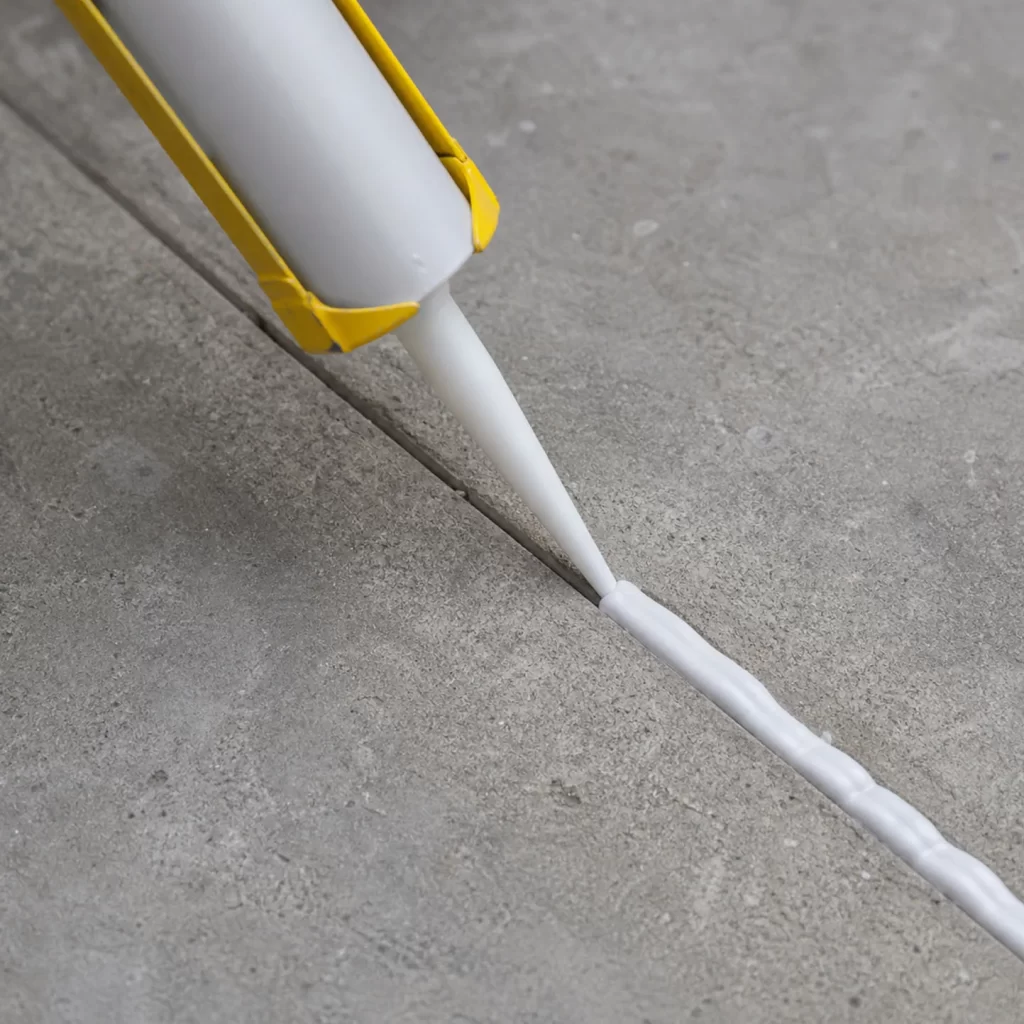
Joint sealants are specialized materials designed to fill and seal gaps (joints) in construction materials like concrete, masonry and metal, preventing water infiltration, debris entry and structural damage while accommodating movement from expansion/contraction. They are essential in applications such as pavements, sidewalks, balconies, warehouses and civil structures to maintain durability and reduce issues like spalling or corrosion.
Types of Joint Sealants
- Polyurethane One component, high-bond-strength options for horizontal/vertical joints.
- Polysulfide based Two part, self levelling compounds for horizontal joints.
- Hot-pour liquid sealants : Most common for roadways, minimize water/debris ingress but not fully watertight.
- Silicone sealants : Cold-applied, UV-resistant; used in highways/airports.
- Hybrid polymer : Flexible fillers for expansion joints with excellent adhesion.